Advertisement
13. Rice Milk
Advertisement
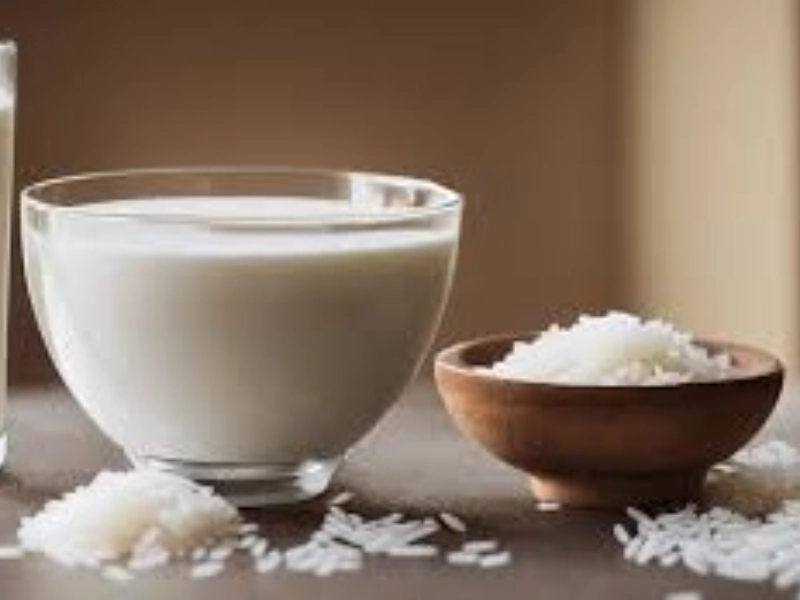
Rice milk is a popular alternative to milk when making mac and cheese, particularly because its flavor closely resembles that of cow's milk. Made from milled rice and water, rice milk is naturally sweet and has a light, neutral taste that can work well in various recipes. However, one notable characteristic of rice milk is its thinner consistency, which can result in a less creamy sauce compared to traditional dairy milk. To remedy this, it’s advisable to incorporate additional ingredients such as flour, melted butter, or extra cheese to achieve the desired richness in your mac and cheese.
When using rice milk in place of regular milk for mac and cheese, you can apply a simple 1:1 ratio. For example, if your recipe calls for 2 cups of milk, you would use 2 cups of rice milk. This straightforward substitution allows for easy incorporation into your mac and cheese recipe without requiring significant adjustments. While rice milk is a suitable option for those looking for a dairy-free alternative, it’s important to keep in mind that its thinner texture may necessitate additional thickening agents to create a satisfying sauce.
To enhance the creaminess of your mac and cheese when using rice milk, consider adding a thickening agent such as flour or cornstarch. Creating a roux by cooking flour in a little butter before adding the rice milk can help to thicken the sauce and create a smooth consistency. Additionally, incorporating extra cheese into the mixture can further enrich the flavor and texture of the dish, ensuring that it remains satisfying and indulgent.
One of the benefits of using rice milk is its hypoallergenic nature, making it a suitable option for individuals with allergies or sensitivities to dairy, soy, or nuts. Rice milk is also typically fortified with vitamins and minerals, such as calcium and vitamin D, contributing to a balanced diet. This makes it an appealing choice for families or individuals seeking a versatile non-dairy milk option.
When preparing mac and cheese with rice milk, it’s essential to monitor the cooking process closely. Since rice milk is a liquid, it’s crucial to ensure that the sauce doesn’t become too watery. This can be managed by adjusting the amount of rice milk used or by incorporating thickening agents as mentioned earlier. Stirring frequently during cooking will help to ensure that the ingredients combine evenly, resulting in a cohesive sauce that clings to the pasta.
In summary, rice milk is a great alternative to milk when making mac and cheese, providing a flavor that closely resembles cow’s milk. By understanding how to incorporate rice milk effectively and using thickening agents to achieve the desired creaminess, you can create a delicious mac and cheese that is both comforting and satisfying. Whether you’re catering to dietary preferences or simply looking for a lighter option, rice milk can help you achieve a delightful dish that everyone can enjoy.