Advertisement
7. Almond Milk
Advertisement
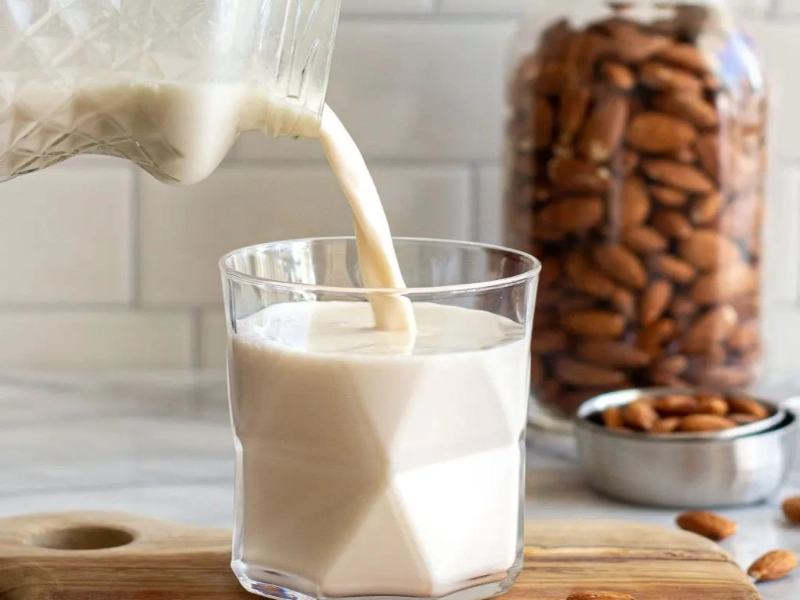
Almond milk is a popular dairy-free substitute for milk in mac and cheese, especially favored by those who are lactose intolerant or following a plant-based diet. Known for its distinctive nutty flavor, almond milk can add a unique twist to the traditional mac and cheese recipe. However, one notable characteristic of almond milk is its thinner consistency compared to regular milk. This difference means that while almond milk can provide moisture, it may not yield the creamy, thick texture that many people desire in their mac and cheese. Fortunately, this issue can be addressed by incorporating a thickening agent, such as flour or cornstarch, to achieve the desired creaminess.
When replacing regular milk with almond milk in mac and cheese, you can use a straightforward 1:1 ratio. For example, if your recipe calls for 2 cups of milk, you would simply substitute it with 2 cups of almond milk. This simplicity makes it easy to incorporate almond milk into your cooking without needing to adjust other ingredients significantly. Depending on your taste preferences, you can choose either sweetened or unsweetened almond milk. Unsweetened almond milk tends to have a flavor profile that is closer to that of regular milk, making it a better option for savory dishes like mac and cheese.
To enhance the creaminess of your mac and cheese when using almond milk, consider adding a thickening agent. Mixing in a tablespoon or two of flour or cornstarch can help to create a richer texture, allowing the sauce to cling to the pasta better. You can create a roux by cooking the flour in a little oil or butter before adding the almond milk, which helps to thicken the sauce and create a smooth consistency. Additionally, incorporating nutritional yeast can provide a cheesy flavor that complements the almond milk, enhancing the overall taste of the dish.
Another advantage of using almond milk is its nutritional profile. Almond milk is typically lower in calories than whole milk, making it a lighter option for those looking to reduce their calorie intake. It also contains healthy fats and is often fortified with vitamins and minerals, such as calcium and vitamin D, which can contribute to a balanced diet. This makes almond milk not only a suitable alternative for those avoiding dairy but also a nutritious choice for anyone looking to enjoy a delicious mac and cheese.
When preparing mac and cheese with almond milk, it’s important to monitor the cooking process closely. Since almond milk can separate if heated too quickly, it’s best to cook the dish over low to medium heat. This gentle cooking method allows the almond milk to blend smoothly with the cheese and other ingredients, resulting in a cohesive sauce that is both creamy and flavorful. Stirring frequently will help to ensure that the sauce remains smooth and well combined throughout the cooking process.
In summary, almond milk is a versatile and tasty dairy-free substitute for milk in mac and cheese. By understanding how to incorporate almond milk effectively and using thickening agents to achieve the desired creaminess, you can create a delicious and satisfying mac and cheese that caters to various dietary preferences. Whether you’re serving it to family or friends, almond milk can add a delightful twist to this beloved dish, making it a memorable meal for everyone.