Advertisement
8. Soy Milk
Advertisement
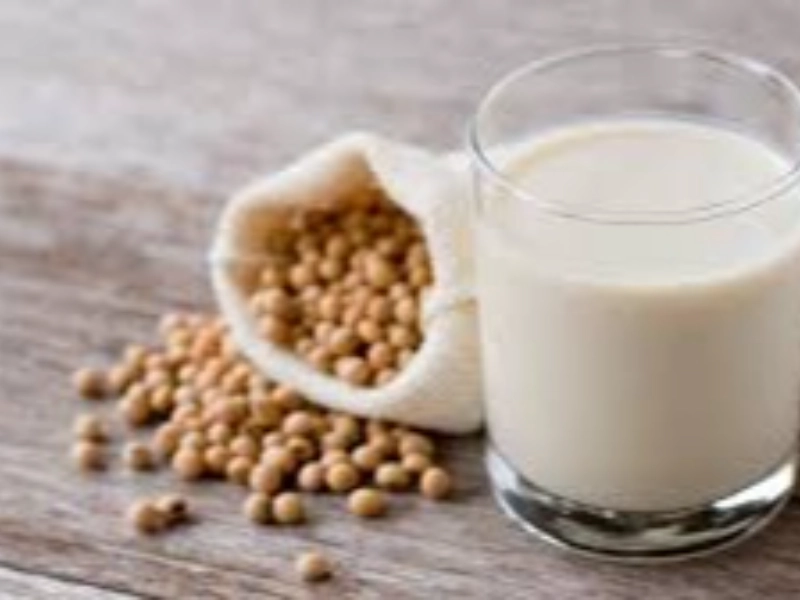
Soy milk is another viable substitute for milk in mac and cheese, offering a similar consistency that makes it an excellent choice for those seeking a dairy-free alternative. Made from soybeans, soy milk is rich in protein and has a texture that closely resembles that of regular milk, making it a suitable option for creating a creamy sauce. However, one aspect to consider is that soy milk has a distinct flavor that may not appeal to everyone. Some people may find the taste of soy milk to be slightly stronger or bean-like, which can affect the overall flavor of the mac and cheese.
When using soy milk in place of regular milk for mac and cheese, the substitution ratio remains straightforward at 1:1. For example, if your recipe calls for 2 cups of milk, you would replace it with 2 cups of soy milk. This ease of substitution allows for a seamless transition in recipes, making it simple to create a dairy-free version of mac and cheese without needing to make significant adjustments to the cooking process.
For best results, it’s advisable to use unflavored soy milk when preparing mac and cheese. The unflavored variety tends to have a taste profile that is more neutral and closer to that of regular milk, allowing the flavors of the cheese and other ingredients to shine through. Flavored soy milk, such as vanilla or chocolate, may introduce unwanted sweetness or additional flavors that could clash with the savory nature of mac and cheese.
In terms of nutrition, soy milk is often fortified with vitamins and minerals, including calcium, vitamin D, and vitamin B12, making it a nutritious alternative to dairy milk. It is also lower in saturated fat and cholesterol-free, which can be beneficial for those looking to maintain a heart-healthy diet. The protein content in soy milk is comparable to that of cow's milk, making it a good option for individuals seeking to increase their protein intake while avoiding dairy.
When preparing mac and cheese with soy milk, it’s essential to pay attention to the cooking process. While soy milk can be heated, it’s advisable to do so over low to medium heat to prevent curdling. Stirring frequently will help to ensure that the soy milk blends smoothly with the cheese and other ingredients, resulting in a creamy and cohesive sauce. If you notice that the sauce is not as thick as desired, consider adding a thickening agent, such as flour or cornstarch, to enhance the texture.
In summary, soy milk is a practical and nutritious substitute for milk in mac and cheese, providing a similar consistency while being a dairy-free option. By selecting unflavored soy milk and understanding how to incorporate it effectively into your recipe, you can create a delicious mac and cheese that caters to various dietary needs. Whether you’re preparing a quick meal for yourself or hosting a gathering, soy milk can help you achieve a creamy and satisfying dish that everyone can enjoy.