Advertisement
10. The Amur River
Advertisement
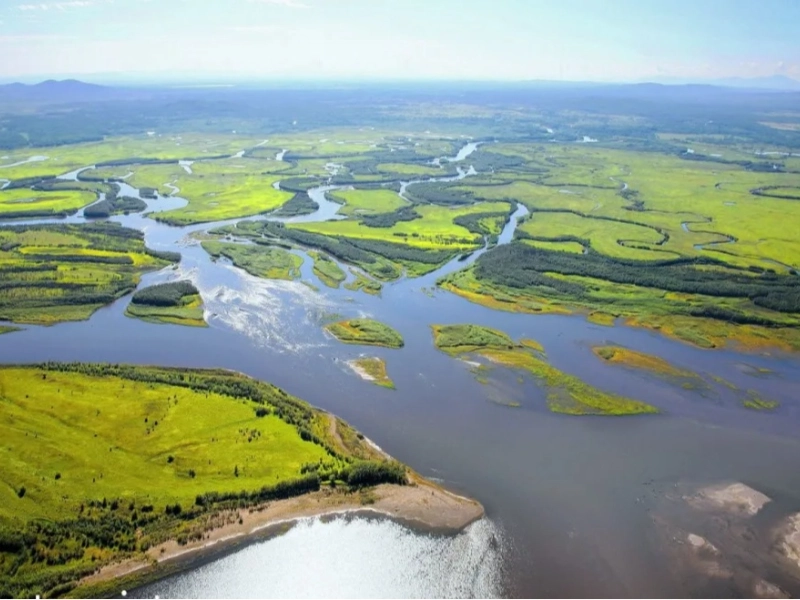
The Amur River, one of the largest rivers in Asia, spans approximately 4,444 kilometers (2,763 miles) and forms a natural border between northeastern China and Russia. Originating in the Greater Khingan Mountains, the Amur flows eastward, eventually emptying into the Sea of Okhotsk. The river is notable for its ecological diversity and cultural significance, serving as a vital resource for the communities that inhabit its banks.
Historically, the Amur River has been an important transportation route for trade and communication between China and Russia. The river's navigable waters have facilitated the movement of goods and people, contributing to the economic development of the region. Various towns and cities have emerged along its banks, benefiting from the opportunities presented by the river. The Amur has played a significant role in shaping the cultural exchange between the two nations, fostering relationships among diverse ethnic groups.
Ecologically, the Amur River is home to a rich variety of plant and animal species. The river supports diverse habitats, including wetlands, floodplains, and forests, which provide critical ecosystems for wildlife. The Amur River Basin is recognized for its biodiversity, housing numerous species of fish, birds, and mammals, including the endangered Amur leopard and the Siberian crane. The river's health is essential for maintaining the ecological balance of the region.
However, the Amur River faces significant environmental challenges due to human activities. Deforestation, industrialization, and agricultural expansion have led to habitat degradation and pollution, threatening the river's ecosystems. Additionally, climate change poses a growing threat to the river's health, affecting water levels and flow patterns. These challenges underscore the need for concerted conservation efforts to protect the Amur and its surrounding environments.
Efforts to conserve the Amur River are underway, focusing on sustainable resource management, pollution control, and habitat restoration. Local communities, governments, and non-governmental organizations are collaborating to address these challenges and promote awareness about the importance of protecting the river. Engaging local populations in conservation initiatives is critical, as they possess valuable knowledge and a deep connection to the land.
The Amur River is not only a geographical feature but also a cultural symbol for the people who live along its banks. It has inspired countless stories, songs, and traditions that reflect the deep relationship between the river and the communities that depend on it. By prioritizing conservation and sustainable practices, we can ensure that the Amur River continues to be a source of life, inspiration, and cultural heritage for future generations.