Advertisement
2. The Amazon River
Advertisement
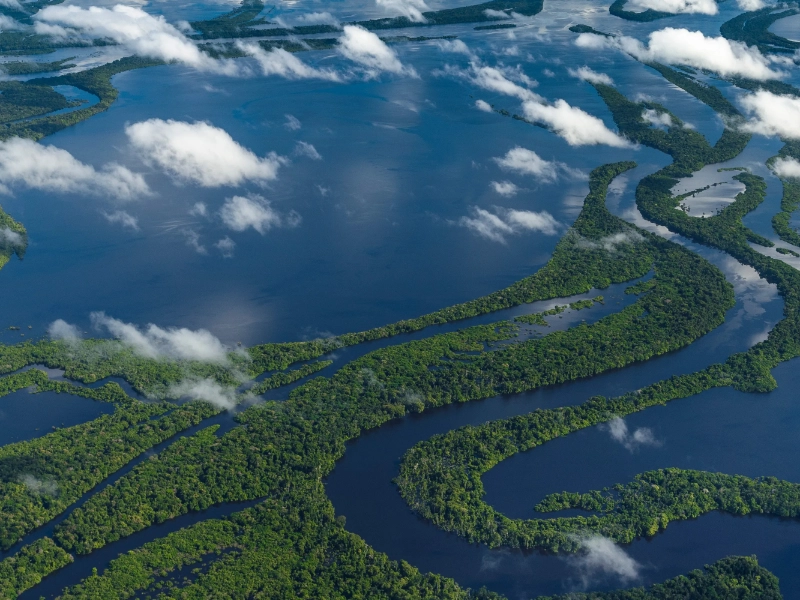
The Amazon River, often celebrated as the largest river by volume in the world, is a breathtaking natural wonder located in South America. Stretching approximately 7,000 kilometers (about 4,345 miles), it flows from the Andes Mountains in Peru through Brazil and into the Atlantic Ocean. The Amazon River basin is not only significant for its sheer size but also for its ecological importance, as it supports one of the most biodiverse ecosystems on the planet. The river and its tributaries are home to an astonishing array of plant and animal species, many of which are found nowhere else on Earth.
The Amazon Basin is often referred to as the "lungs of the Earth," as it plays a crucial role in producing oxygen and absorbing carbon dioxide. The dense rainforest surrounding the river is vital in mitigating climate change and maintaining global biodiversity. It is estimated that the Amazon rainforest is home to over 10% of the known species on Earth, including countless species of fish, birds, mammals, and reptiles. The intricate web of life within this ecosystem is a testament to the complexity and richness of nature.
Indigenous communities have inhabited the Amazon for thousands of years, relying on the river for sustenance, transportation, and cultural practices. These communities have developed intricate knowledge of the ecosystem, utilizing its resources sustainably. They fish, hunt, and gather plants, maintaining a deep spiritual connection to the land and water. However, the Amazon River and its surrounding rainforest face significant threats from deforestation, mining, and industrial agriculture. Logging and land conversion for cattle ranching and soy production have led to widespread habitat destruction, endangering both wildlife and indigenous cultures.
The Amazon River also plays a critical role in the global climate system. It serves as a major carbon sink, helping to regulate atmospheric carbon levels. However, the ongoing deforestation and degradation of the rainforest jeopardize this function, releasing stored carbon back into the atmosphere and exacerbating climate change. Conservation efforts are essential to protect this vital ecosystem, and initiatives aimed at sustainable development are increasingly being implemented to balance economic growth with environmental preservation.
Tourism along the Amazon River has also grown in popularity, attracting visitors from around the world who seek to experience its natural beauty and biodiversity. Eco-tourism initiatives provide opportunities for travelers to engage with local communities and learn about conservation efforts. These experiences can foster a greater appreciation for the Amazon and promote awareness of the challenges it faces. In conclusion, the Amazon River is a vital artery of life in South America, supporting an incredible diversity of species and cultures. Its health is intricately linked to the well-being of the planet, making it imperative for global efforts to prioritize its conservation. By protecting the Amazon, we safeguard not only the rich biodiversity it harbors but also the cultural heritage of the people who call this extraordinary region home.