Advertisement
3. The Yangtze River
Advertisement
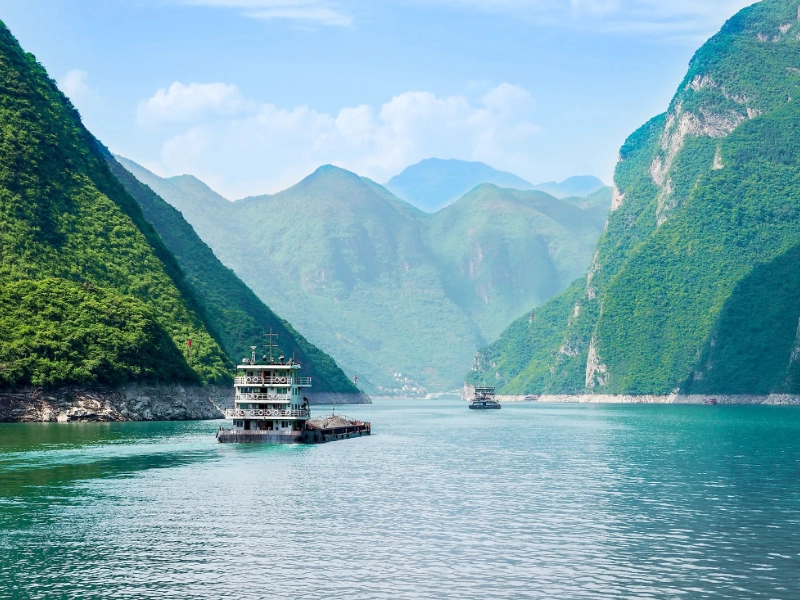
The Yangtze River, known as the longest river in Asia and the third longest river in the world, is a majestic waterway that stretches approximately 6,300 kilometers (3,917 miles) across China. Originating from the Tibetan Plateau, it flows eastward through diverse landscapes, including mountains, plateaus, and fertile plains, eventually emptying into the East China Sea. The Yangtze serves as a critical artery for transportation, commerce, and cultural exchange, playing a pivotal role in the history and development of China.
The river has been a focal point of Chinese civilization for thousands of years. It has supported agriculture, trade, and urban development, with many of China’s largest cities, including Shanghai, Wuhan, and Chongqing, situated along its banks. The fertile plains surrounding the Yangtze have allowed for the cultivation of staple crops such as rice, wheat, and tea, contributing to the region's economic prosperity. The river's waters have been harnessed for irrigation, enabling farmers to maximize their yields and sustain the growing population.
Historically, the Yangtze has been a vital transportation route, facilitating the movement of goods and people. Its navigability allows for the passage of large vessels, making it an essential corridor for trade within China and beyond. The river has fostered cultural exchange and interaction among diverse communities, enriching the social fabric of the region. Many cultural and artistic traditions have emerged along its banks, reflecting the river's significance in Chinese heritage.
In addition to its economic and cultural importance, the Yangtze River is also a site of natural beauty and ecological diversity. The river supports a wide range of habitats, from lush wetlands to mountainous regions, providing a home for numerous species of fish, birds, and other wildlife. The Yangtze River Dolphin, also known as the Baiji, was once native to the river but has unfortunately become functionally extinct due to habitat loss and pollution. Conservation efforts are underway to protect the river's remaining biodiversity and restore its ecological health.
However, the Yangtze River faces significant challenges in the modern era. Rapid industrialization, urbanization, and population growth have led to increased pollution and over-extraction of water resources. The construction of the Three Gorges Dam, one of the largest hydroelectric projects in the world, has raised concerns about environmental impacts, displacement of communities, and changes to the river's ecosystem. While the dam provides valuable renewable energy and flood control, it also poses challenges for the river's health and the livelihoods of those who depend on it.
Efforts to promote sustainable management of the Yangtze River are essential to address these challenges. Initiatives aimed at reducing pollution, restoring habitats, and preserving cultural heritage are critical to ensuring the river's continued vitality. The Yangtze River stands as a testament to the resilience of nature and the enduring connection between people and their environment. By prioritizing conservation and sustainable practices, we can safeguard this vital waterway for future generations.