Advertisement
4. The Mississippi River
Advertisement
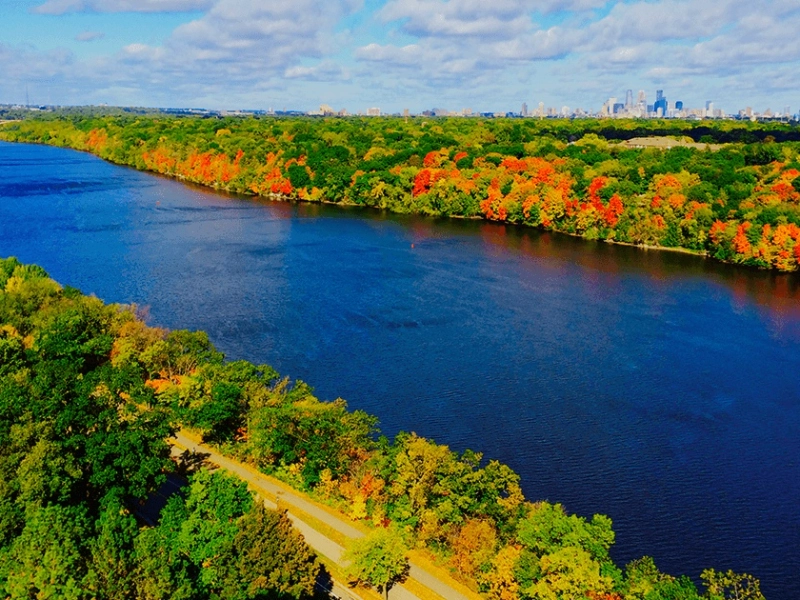
The Mississippi River, one of the most iconic rivers in the United States, is a vital waterway that stretches approximately 2,350 miles (3,766 kilometers) from its source at Lake Itasca in Minnesota to its mouth at the Gulf of Mexico. As the second longest river in North America, the Mississippi has played a significant role in shaping the geography, economy, and culture of the regions it traverses. The river serves as a natural boundary between several states and has been a crucial artery for trade and transportation throughout American history.
Historically, the Mississippi River has been a central transportation route for Native American tribes and later European settlers. The river facilitated trade and commerce, allowing goods to be transported efficiently between the interior of the continent and coastal ports. The river's navigability enabled the movement of agricultural products, timber, and manufactured goods, contributing to the economic development of the surrounding states. Cities such as St. Louis, Memphis, and New Orleans emerged as key commercial hubs along the river, thriving on the trade routes established by its waters.
The Mississippi River is also deeply intertwined with American history and culture. It has inspired countless songs, stories, and works of art, symbolizing the spirit of exploration and adventure. Mark Twain's classic novels, such as "The Adventures of Tom Sawyer" and "The Adventures of Huckleberry Finn," vividly depict life along the river and its significance in shaping the American experience. The river has served as a backdrop for historical events, including the Civil War, where it became a strategic battleground for control of trade and resources. The Union and Confederate forces both recognized the river's importance, leading to significant military engagements along its banks.
Ecologically, the Mississippi River supports a diverse array of habitats and wildlife. The river's floodplain is home to wetlands, forests, and marshes that provide critical habitat for numerous species of birds, fish, and other wildlife. Migratory birds rely on the river as a stopover point during their journeys, making it an important ecological corridor. However, human activities, including agriculture, urban development, and industrialization, have had significant impacts on the river's health and biodiversity. Pollution from agricultural runoff, sedimentation, and habitat destruction pose challenges to the river's ecosystem.
In recent years, conservation efforts have gained momentum to address these challenges and restore the health of the Mississippi River. Initiatives aimed at reducing pollution, restoring wetlands, and promoting sustainable land use practices are critical to preserving the river's ecological integrity. Community engagement and education play essential roles in fostering a sense of stewardship among residents and stakeholders, ensuring that the river remains a vital resource for future generations.
The Mississippi River is not just a geographical feature; it is a symbol of resilience, culture, and connection. Its waters have shaped the lives of countless individuals and communities, and its legacy continues to influence the region today. By prioritizing conservation and sustainable practices, we can honor the river's rich history while ensuring its health and vitality for years to come.