Advertisement
5. The Yellow River
Advertisement
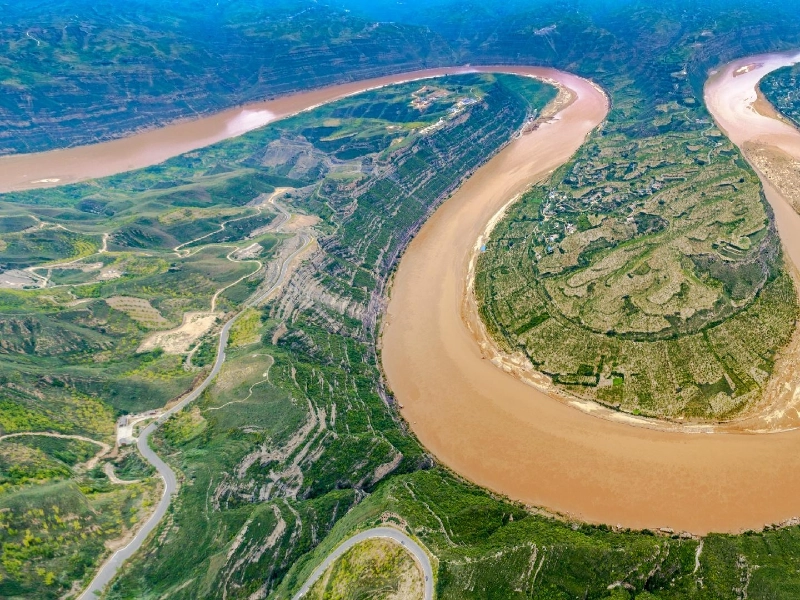
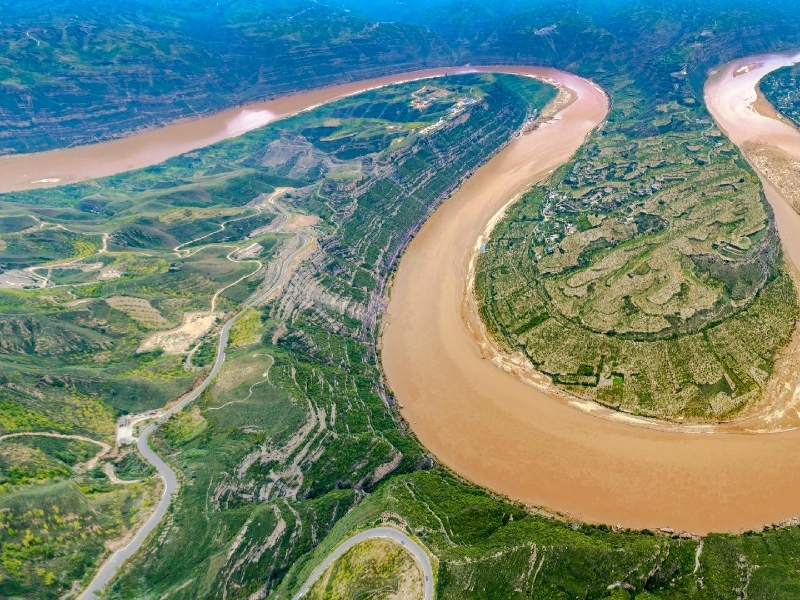
The Yellow River, known as Huang He in Chinese, is the second longest river in China and the sixth largest river in the world. Spanning approximately 5,464 kilometers (3,395 miles), it flows through nine provinces, ultimately emptying into the Bohai Sea. The river is often referred to as the "cradle of Chinese civilization," as it has played a pivotal role in the development of agriculture, culture, and society throughout Chinese history.
Historically, the Yellow River has been a lifeline for the people living along its banks. The fertile loess soil deposited by the river's floods has supported agriculture for thousands of years. The river's annual floods were both a blessing and a curse, providing nutrient-rich silt for farming while also causing devastating disasters. The Chinese developed sophisticated irrigation and flood control systems to manage the river's unpredictable behavior, leading to advancements in agricultural practices and the growth of early Chinese states.
The Yellow River is steeped in cultural significance. It has inspired countless poems, songs, and works of art, symbolizing the resilience and spirit of the Chinese people. Many ancient cities, such as Luoyang and Kaifeng, were established along its banks, serving as political and cultural centers throughout different dynasties. The river has been central to numerous historical events, including wars, migrations, and the rise and fall of empires.
Ecologically, the Yellow River is home to diverse ecosystems, supporting various species of fish, birds, and other wildlife. However, the river faces significant environmental challenges due to pollution, over-extraction of water, and habitat degradation. Industrialization and urbanization have led to increased contamination of the river's waters, threatening the health of aquatic life and the communities that depend on it for drinking water and irrigation.
Efforts to restore the health of the Yellow River are underway, focusing on pollution control, habitat restoration, and sustainable water management practices. Local governments and organizations are working to raise awareness about the importance of protecting the river and its ecosystems. Community involvement and education are essential components of these initiatives, fostering a sense of stewardship among residents.
The Yellow River remains a symbol of hope and resilience for the Chinese people. It is a testament to the enduring connection between nature and culture, and its preservation is vital for future generations. By prioritizing sustainable practices and environmental protection, we can ensure that the Yellow River continues to be a source of life, inspiration, and cultural heritage for years to come.