Advertisement
8. The Congo River
Advertisement
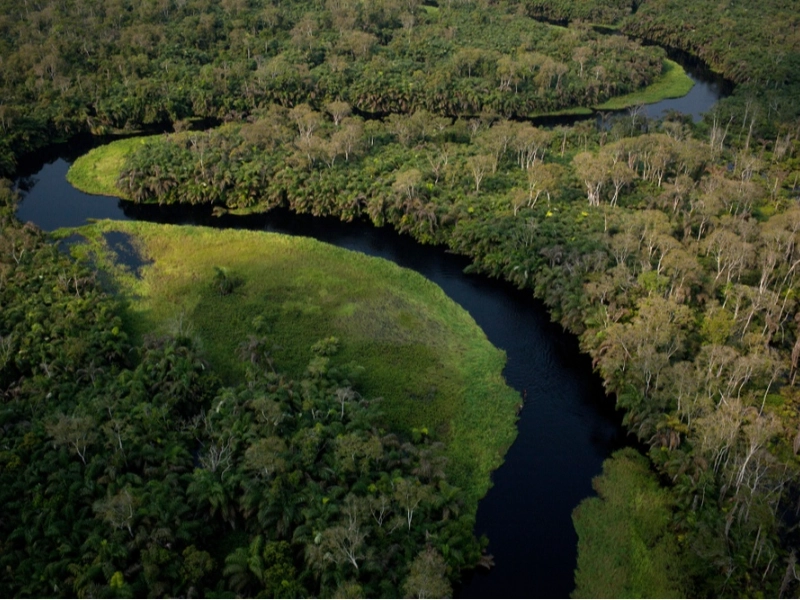
The Congo River, often recognized as Africa's second longest river, is a remarkable natural feature that spans approximately 4,700 kilometers (2,920 miles) through the heart of the continent. It flows through several countries, including the Democratic Republic of the Congo (DRC) and the Republic of the Congo, before emptying into the Atlantic Ocean. The Congo River is not only significant for its length but also for its depth, making it the world's deepest river, with measured depths of over 220 meters (720 feet).
The Congo River has played a vital role in the history and culture of the regions it traverses. It has served as a crucial transportation route for communities and traders for centuries, facilitating the movement of goods and people across the dense rainforests and savannas of Central Africa. The river's navigability has allowed for the development of trade networks and cultural exchange among diverse ethnic groups, enriching the social fabric of the region.
Ecologically, the Congo River is a lifeline for the surrounding ecosystems. It supports a rich diversity of flora and fauna, including numerous species of fish, amphibians, and reptiles. The river is home to iconic wildlife such as the African manatee and the endangered Congo River dolphin. The surrounding rainforest is one of the most biodiverse areas on the planet, housing countless species of plants and animals, many of which are endemic to the region.
However, the Congo River faces significant environmental challenges due to deforestation, mining, and industrial activities. The extraction of natural resources, such as timber and minerals, has led to habitat destruction and pollution, threatening the delicate balance of the ecosystem. Additionally, climate change poses a growing threat to the river's health, affecting rainfall patterns and water levels.
Conservation efforts are crucial to protect the Congo River and its surrounding ecosystems. Local and international organizations are working to raise awareness about the importance of preserving this vital waterway. Initiatives aimed at sustainable development, responsible resource management, and community engagement are essential to ensure the river's health for future generations.
The Congo River is not only a geographical feature but also a cultural icon for the people who live along its banks. It has inspired countless stories, songs, and traditions that reflect the deep connection between the river and the communities that depend on it. By prioritizing conservation and sustainable practices, we can ensure that the Congo River continues to be a source of life, inspiration, and cultural heritage for years to come.