Advertisement
9. The Lena River
Advertisement
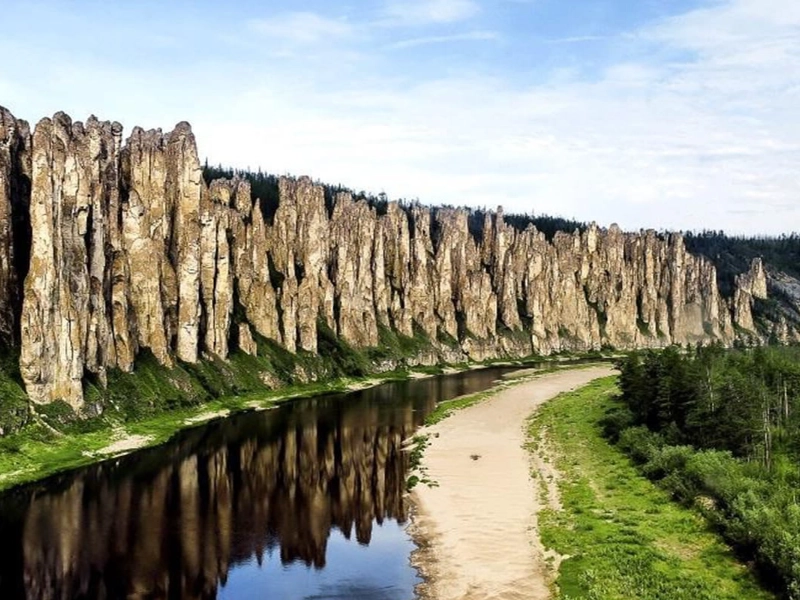
The Lena River, one of the longest rivers in the world, stretches approximately 4,400 kilometers (2,736 miles) across Siberia, Russia. It flows from its source in the Baikal Mountains, traversing a vast and diverse landscape before emptying into the Arctic Ocean. The river is known for its stunning natural beauty, featuring dramatic cliffs, expansive wetlands, and rich wildlife. It is a vital waterway for the regions it traverses, providing essential resources for local communities and ecosystems.
The Lena River has played a significant role in the history and culture of Siberia. Indigenous peoples have lived along its banks for thousands of years, relying on the river for sustenance, transportation, and cultural practices. The Lena has served as a natural highway, facilitating trade and communication among various communities. The river's waters are rich in fish, providing a crucial food source for local populations. The surrounding landscapes are also home to diverse flora and fauna, making the Lena a critical part of the region's ecological health.
Despite its importance, the Lena River faces numerous environmental challenges. The impacts of climate change are particularly pronounced in Siberia, with rising temperatures leading to changes in precipitation patterns and melting permafrost. These changes can affect the river's flow, water quality, and the health of the ecosystems that depend on it. Additionally, industrial activities, such as mining and logging, pose threats to the river's natural environment. Pollution from these activities can harm aquatic life and disrupt the delicate balance of the river’s ecosystem.
Conservation efforts are essential to protect the Lena River and its surrounding habitats. Various organizations and local communities are working to raise awareness about the importance of preserving this vital waterway. Initiatives focused on sustainable resource management, pollution control, and habitat restoration are crucial for ensuring the river's health. Engaging local communities in conservation efforts is particularly important, as they possess valuable traditional knowledge and a deep connection to the land.
The Lena River is also significant for its cultural heritage. It has inspired numerous works of art, literature, and folklore, reflecting the deep relationship between the river and the people who inhabit its banks. Festivals and rituals celebrating the river’s natural beauty and bounty are integral to the cultural identity of local communities. By prioritizing conservation and sustainable practices, we can honor this cultural heritage while safeguarding the river's ecological integrity.
In conclusion, the Lena River is a remarkable waterway that contributes significantly to the ecology, economy, and culture of Siberia. Its health is intricately linked to the well-being of the environment and the communities that depend on it. By promoting conservation and sustainable practices, we can ensure that the Lena River continues to be a source of life, inspiration, and cultural richness for generations to come.