Advertisement
# 1. Introduction: The Hidden Dangers in Your Chicken
Advertisement
Chicken has long been a staple in diets around the world, celebrated for its versatility, lean protein content, and affordability. It can be prepared in countless ways, from succulent roasted whole birds to convenient boneless, skinless breasts, making it a popular choice for many households. However, as health-conscious consumers, it is essential to recognize that not all parts of the chicken are created equal in terms of nutritional value and potential health impacts. While many people focus on the benefits of chicken breast or thighs, one specific part of the chicken may pose more health risks than commonly understood. This article aims to shed light on the most harmful part of the chicken that should be avoided, delve into the reasons behind its harmful effects, and provide guidance on making healthier choices regarding chicken consumption.
In this exploration, we will uncover surprising facts about chicken anatomy, nutrition, and the potential long-term effects of consuming certain parts of this widely consumed poultry. By the end of this article, readers will be equipped with the knowledge necessary to make informed decisions about their chicken consumption, potentially leading to improved overall health and well-being. The journey to understanding the hidden dangers lurking in chicken begins with a thorough examination of the nutritional aspects of chicken and the implications of consuming specific parts of the bird.
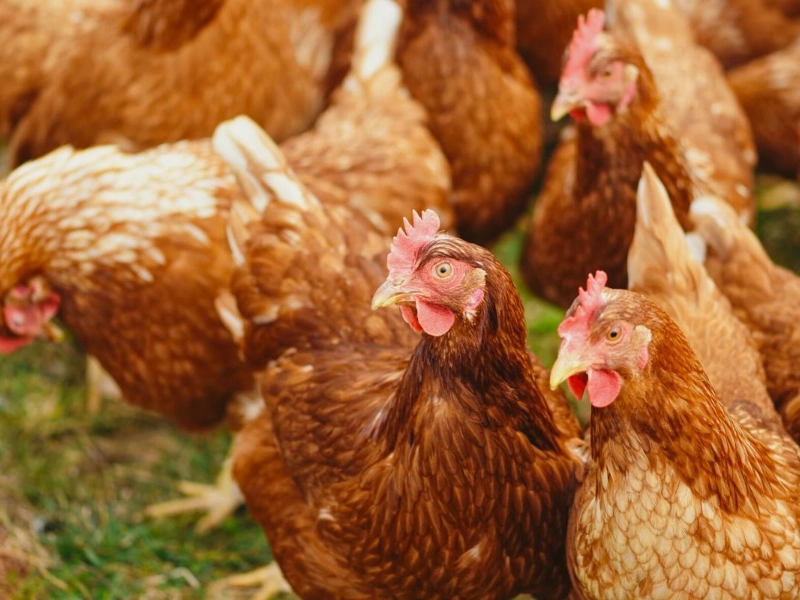
As we navigate this topic, it is crucial to consider the broader context of poultry farming practices and how they influence the quality of the chicken we consume. Conventional farming methods often prioritize rapid growth and cost efficiency, which can lead to the accumulation of harmful substances in certain parts of the chicken. Additionally, understanding the cooking methods commonly used for chicken can provide insight into how these practices may exacerbate health risks associated with specific parts of the bird.
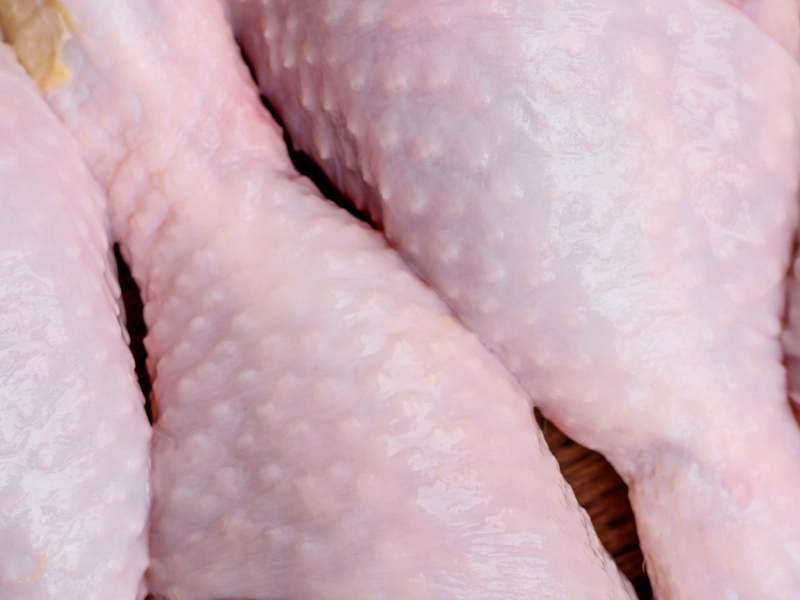
Ultimately, this article serves as a guide for consumers seeking to navigate the world of poultry consumption more safely and healthily. By fostering awareness of the potential hazards associated with chicken skin and other parts, individuals can make dietary choices that align with their health goals. The importance of informed decision-making in our diets cannot be overstated, as small changes can lead to significant improvements in our overall health over time. Let us embark on this enlightening journey to discover the hidden dangers in our chicken and learn how to make healthier choices that contribute to our long-term well-being.