Advertisement
# 10. Conclusion: Making Informed Choices for Better Health
Advertisement
In conclusion, while chicken is widely regarded as a healthy protein source, it is essential to highlight that the skin of the chicken stands out as the most harmful part that should be avoided for optimal health. This conclusion is drawn from extensive exploration of various aspects surrounding chicken skin and its potential negative impacts on well-being. Throughout this article, we have delved into the reasons why chicken skin can be detrimental, including its high saturated fat content, the potential for harboring harmful contaminants, and its adverse effects on heart health and weight management. The evidence clearly indicates that opting for skinless chicken is a more health-conscious choice that can lead to better health outcomes.
The high saturated fat content found in chicken skin is a primary concern for many health professionals and nutritionists. Saturated fats are known to raise levels of low-density lipoprotein (LDL) cholesterol, which is often referred to as "bad" cholesterol. Elevated levels of LDL cholesterol can lead to atherosclerosis, a condition characterized by the buildup of fatty deposits in the arteries. This buildup can restrict blood flow and increase the risk of serious cardiovascular events such as heart attacks and strokes. Moreover, the presence of saturated fats in the diet is associated with other health issues, including obesity, insulin resistance, and metabolic syndrome. These risks underscore the importance of making informed dietary choices, particularly when it comes to consuming chicken skin.
In addition to its saturated fat content, chicken skin can also serve as a reservoir for harmful substances that result from conventional poultry farming practices. Many poultry farmers administer antibiotics and hormones to their chickens to promote growth and prevent disease. Unfortunately, these substances can accumulate in the fatty tissues of the skin, leading to potential health risks for those who consume it. Research has shown that ingesting meat products containing residues of these substances could disrupt hormonal balance and contribute to various health issues, including inflammation and increased risk of certain cancers. By choosing skinless chicken, individuals can significantly reduce their exposure to these harmful contaminants and make a more health-conscious decision regarding their protein sources.
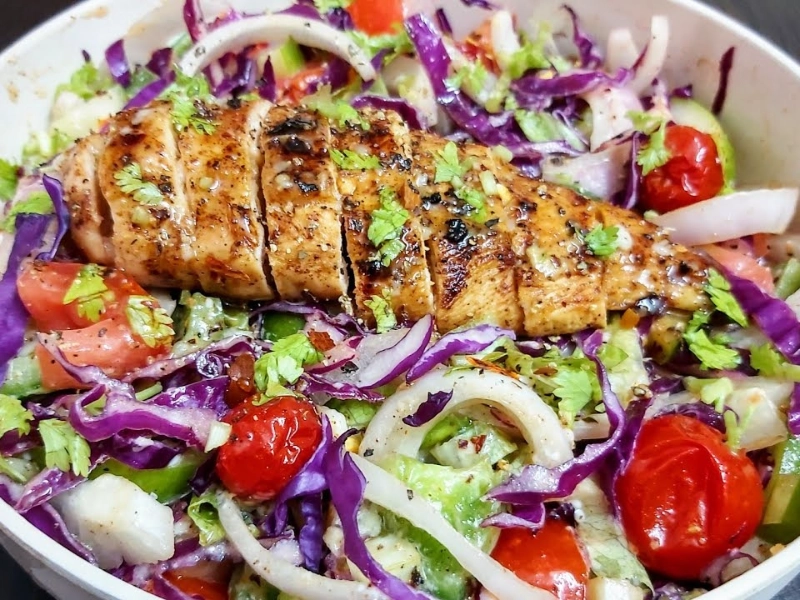
Furthermore, the impact of chicken skin on weight management is another critical aspect to consider. The additional calories and unhealthy fats present in chicken skin can contribute to weight gain, which is a significant risk factor for numerous health conditions, including type 2 diabetes, hypertension, and cardiovascular diseases. In a world where obesity rates are climbing, making conscious choices about food consumption is paramount. Opting for skinless chicken not only helps in managing weight but also allows for healthier meal preparations. Skinless chicken can be seasoned and cooked in various ways, providing ample opportunities to create delicious dishes without the added health concerns associated with the skin.
As you move forward in your dietary journey, it is beneficial to explore the various healthy preparation methods and alternatives discussed throughout this article. Experimenting with marinades, dry rubs, and alternative cooking techniques can lead to flavorful and satisfying meals that do not rely on the skin for taste. For example, marinating chicken in a mixture of herbs, spices, and citrus juices can enhance its flavor profile while keeping it healthy. Grilling, baking, or steaming chicken can also preserve its nutritional value without adding unhealthy fats.
Ultimately, a balanced diet is key to maintaining good health. Making mindful choices about the foods you consume, including how you prepare your chicken, can play a crucial role in achieving your health and wellness goals. Incorporating a variety of lean proteins, whole grains, fruits, and vegetables will provide essential nutrients while minimizing the intake of harmful substances. By being aware of the most harmful parts of the foods we eat and making conscious decisions to avoid them, we can take significant steps toward improving our overall health and well-being. Let this knowledge empower you to make healthier choices not just with chicken, but with all aspects of your diet. Embracing this journey toward better health by prioritizing skinless chicken and exploring a diverse range of nutritious foods can lead to significant improvements in your health, contributing to a happier, healthier you.