Advertisement
# 2. The Chicken Skin: A Tasty But Unhealthy Choice
Advertisement
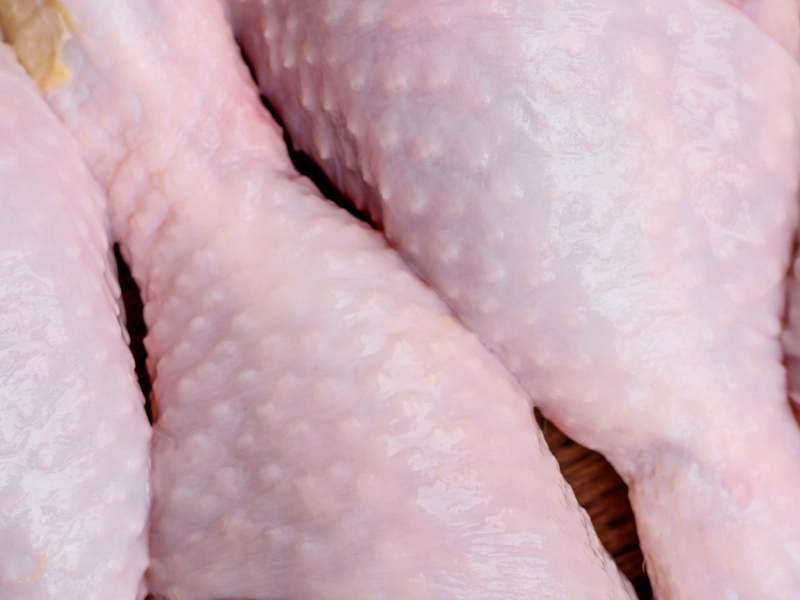
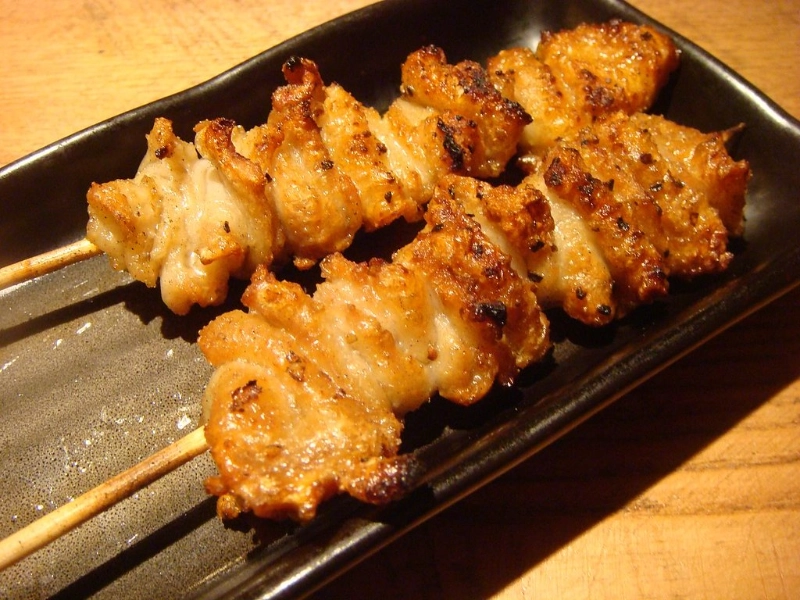
Chicken skin is often considered the pièce de résistance of the bird, especially when it is crispy, golden-brown, and well-seasoned. Its irresistible texture and flavor make it a favorite among many chicken enthusiasts, leading to its widespread inclusion in various culinary preparations. However, beneath its delectable exterior lies a host of potential health concerns that make it one of the most harmful parts of the chicken that one can consume. The primary issue with chicken skin is its high content of saturated fat and cholesterol. While our bodies do require some fat for proper functioning, the type and amount found in chicken skin can be excessive and potentially harmful when consumed regularly.
Saturated fat, in particular, has been linked to an increased risk of heart disease, stroke, and other cardiovascular issues. When you consume chicken skin, you are essentially adding a layer of fat to your meal that your body does not need and that could contribute to long-term health problems. Furthermore, the skin can act as a repository for harmful substances used in conventional poultry farming practices. Antibiotics and hormones, often used to promote growth and prevent disease in chickens, can accumulate in the fatty tissues of the skin. This means that when you eat the skin, you might be ingesting these substances as well, potentially contributing to antibiotic resistance or hormonal imbalances in your own body.
Additionally, the cooking process can exacerbate the harmful effects of chicken skin. When chicken is fried or roasted at high temperatures, the skin can produce harmful compounds like heterocyclic amines (HCAs) and polycyclic aromatic hydrocarbons (PAHs), which have been linked to an increased risk of certain cancers. While the occasional indulgence in crispy chicken skin might not pose significant health risks, regular consumption could contribute to a range of health issues over time.
Moreover, the appeal of chicken skin often overshadows the nutritional benefits of the meat itself. By focusing on the skin, consumers may inadvertently overlook the more nutrient-dense parts of the chicken, such as the breast and thighs, which are rich in protein and essential vitamins. This trade-off can lead to an imbalanced diet that favors unhealthy fats over the lean protein that chicken can offer.
In conclusion, while chicken skin may be delicious, it is essential to recognize the potential health risks associated with its consumption. By understanding the implications of eating chicken skin, individuals can make more informed choices about their diets and prioritize healthier options that support their overall well-being. The journey towards healthier eating habits begins with acknowledging the hidden dangers in our food choices and taking proactive steps to mitigate those risks.