Advertisement
# 3. The Fat Content: More Than Just Calories
Advertisement
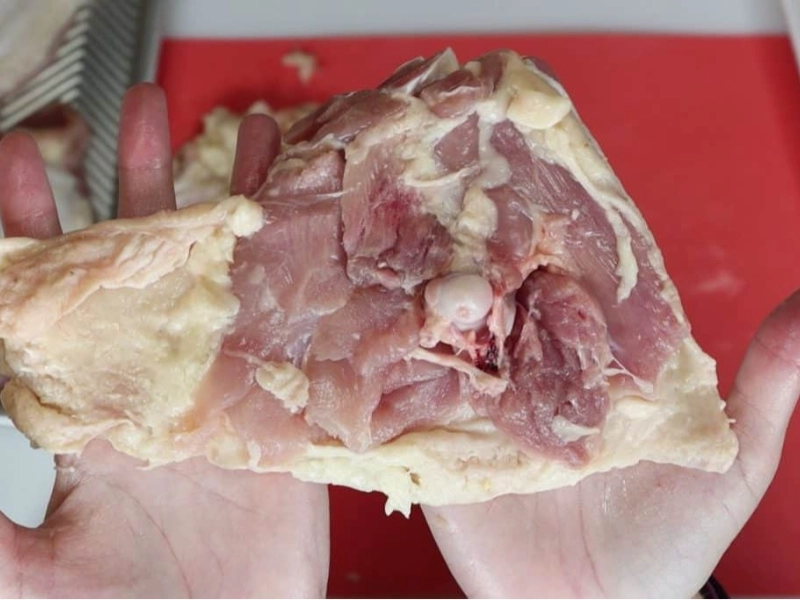
When discussing the harmful aspects of chicken skin, it is crucial to delve deeper into its fat content, which goes far beyond mere calorie concerns. A single serving of chicken skin can contain more fat than a hamburger, and this is not the type of fat that nutritionists recommend as part of a balanced diet. The fat found in chicken skin is primarily saturated fat, which has been linked to increased levels of LDL cholesterol (often referred to as "bad" cholesterol) in the bloodstream. This type of cholesterol can build up in the walls of your arteries, leading to atherosclerosis, a condition where the arteries become narrowed and hardened. Over time, this can significantly increase your risk of heart disease, heart attacks, and strokes.
Moreover, the high fat content in chicken skin can contribute to weight gain and obesity when consumed regularly. Obesity itself is a risk factor for numerous health conditions, including type 2 diabetes, certain types of cancer, and osteoarthritis. It is worth noting that while chicken skin does contain some unsaturated fats, which are generally considered healthier, the proportion of saturated to unsaturated fats is not favorable from a health perspective. Another aspect to consider is the caloric density of chicken skin. Because it is so high in fat, it is also very high in calories. This means that even a small amount of chicken skin can significantly increase the calorie content of your meal, potentially leading to overconsumption of calories if not accounted for in your overall diet.
For those watching their weight or trying to maintain a calorie deficit for weight loss, regularly eating chicken skin can make it much more challenging to achieve their goals. Additionally, the fat in chicken skin can interfere with the absorption of certain nutrients in your digestive system. When consumed in large quantities, it can coat the lining of your intestines, potentially hindering the absorption of important vitamins and minerals from other foods in your meal.
Furthermore, the impact of chicken skin on overall dietary quality cannot be overlooked. By choosing to consume chicken skin, individuals may unintentionally displace healthier food options that provide essential nutrients without the added unhealthy fats. This can lead to a diet that is not only higher in calories but also lower in nutritional value, ultimately affecting one's health in the long term.
In summary, the fat content of chicken skin presents significant health concerns that extend beyond calorie counts. By understanding the implications of consuming chicken skin, individuals can make more informed dietary choices that prioritize lean protein sources and healthier fats, ultimately supporting their overall health and well-being.