Advertisement
# 4. Hidden Contaminants: Beyond Nutritional Concerns
Advertisement
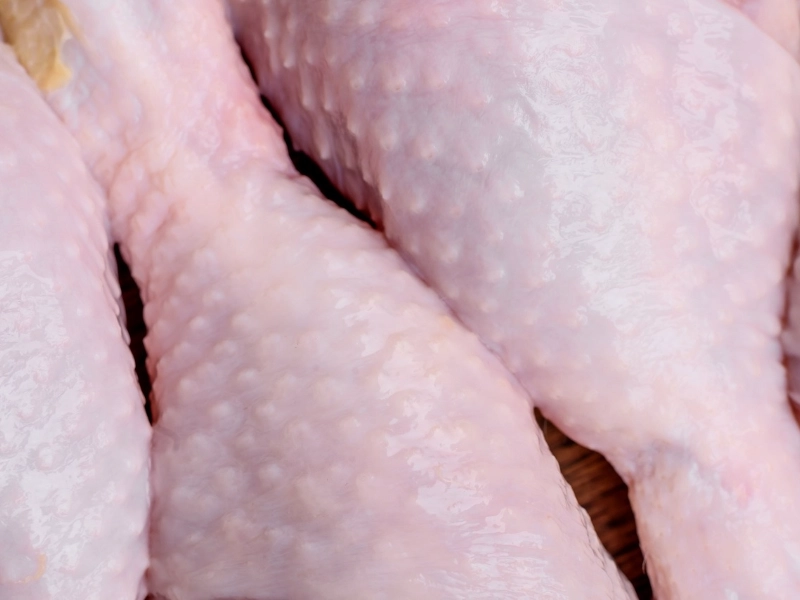
While the high fat and calorie content of chicken skin are significant concerns, there are other, less obvious reasons why it is considered the most harmful part of the chicken. One of the primary issues lies in the potential contaminants that can accumulate in the skin during the chicken's lifecycle. In conventional poultry farming, chickens are often raised in crowded conditions and treated with antibiotics to prevent disease outbreaks. These antibiotics can accumulate in the fatty tissues of the chicken, with the highest concentrations often found in the skin. When humans consume this antibiotic-laden skin, it can contribute to the growing problem of antibiotic resistance. This is a serious global health concern, as it reduces the effectiveness of antibiotics in treating human infections.
Additionally, some poultry farmers use growth hormones to increase the size of their chickens more rapidly. These hormones, like the antibiotics, tend to concentrate in the fatty tissues, including the skin. Consuming chicken skin that contains these hormones could potentially disrupt the delicate balance of hormones in the human body, leading to various health issues. Another hidden danger in chicken skin is the presence of environmental pollutants. Chickens can be exposed to various environmental toxins through their feed or living conditions. These toxins, which can include heavy metals, pesticides, and industrial chemicals, often accumulate in the fatty tissues of the chicken, with the skin being a primary storage site. When humans consume this contaminated skin, they are inadvertently exposing themselves to these harmful substances. Over time, this exposure could lead to a range of health problems, from minor issues like skin irritations to more serious conditions like organ damage or even certain types of cancer.
Moreover, the cumulative effects of consuming contaminants over time can have a profound impact on overall health. Chronic exposure to harmful substances can lead to long-term health complications, including endocrine disruption, reproductive issues, and impaired immune function. It is essential for consumers to be aware of these risks and to consider the sources of their poultry products. Opting for organic or free-range chicken may help mitigate some of these concerns, as these farming practices typically emphasize better living conditions and reduced use of antibiotics and hormones.
In conclusion, the hidden contaminants found in chicken skin highlight the importance of being mindful of the food choices we make. By understanding the potential risks associated with consuming chicken skin, individuals can take proactive steps to protect their health and make more informed dietary decisions. This awareness can lead to healthier eating habits that prioritize safety and nutrition, ultimately contributing to better overall health and well-being.