Advertisement
# 5. The Cooking Conundrum: How Preparation Methods Affect Chicken Skin
Advertisement
The way chicken is cooked can significantly impact the harmfulness of its skin. Different cooking methods can alter the chemical composition of the skin, potentially creating new health hazards or exacerbating existing ones. One of the most popular ways to prepare chicken is by frying it, which makes the skin particularly crispy and flavorful. However, this cooking method is also one of the most problematic when it comes to health concerns. When chicken skin is fried at high temperatures, it undergoes a process called the Maillard reaction, which gives it its appealing brown color and crispy texture. Unfortunately, this reaction can also produce harmful compounds known as advanced glycation end products (AGEs). These compounds have been linked to inflammation in the body and may contribute to the development of chronic diseases such as diabetes and heart disease.
Additionally, frying chicken skin often involves using oils that are high in unhealthy fats, further increasing its negative impact on health. Grilling or barbecuing chicken with the skin on presents another set of concerns. When chicken skin is exposed to high heat and open flames, it can form heterocyclic amines (HCAs) and polycyclic aromatic hydrocarbons (PAHs). These compounds have been identified as potential carcinogens, meaning they may increase the risk of certain types of cancer. The formation of these harmful substances is particularly pronounced when the skin chars or blackens during cooking.
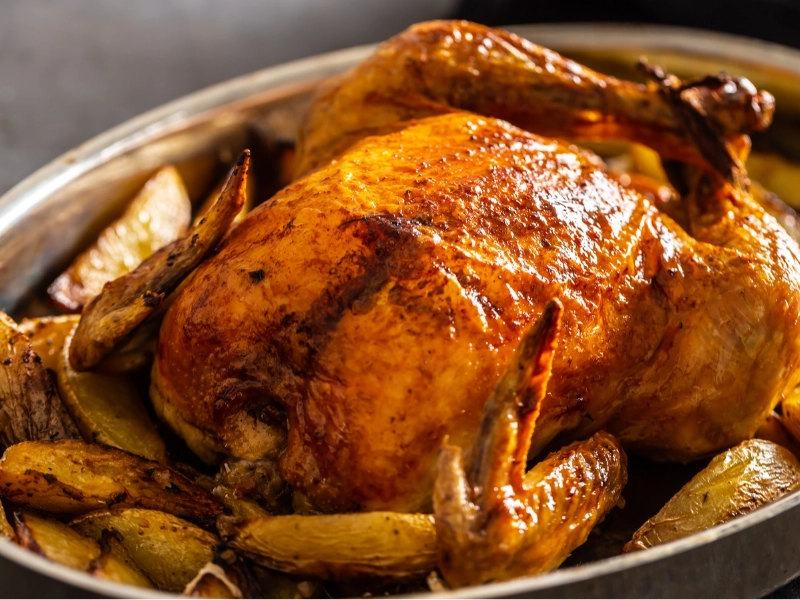
Even healthier cooking methods like roasting or baking can pose problems when it comes to chicken skin. While these methods may not produce as many harmful compounds as frying or grilling, they still allow the fat from the skin to melt and be absorbed into the meat, increasing the overall fat content of the dish. Moreover, the skin can prevent seasonings and marinades from penetrating the meat effectively, potentially leading to the use of more salt or other less healthy flavor enhancers.
In light of these concerns, it is essential for consumers to consider not only the type of chicken they are consuming but also how it is prepared. Opting for cooking methods that minimize the harmful effects of chicken skin can make a significant difference in overall health. For instance, steaming or poaching chicken can help retain moisture without the added fats and harmful compounds produced by other cooking methods.
In conclusion, the cooking methods used for chicken can greatly influence the health risks associated with its skin. By understanding the implications of different preparation techniques, individuals can make more informed choices that prioritize their health while still enjoying the delicious flavors of chicken. This awareness can lead to healthier cooking practices that contribute to better nutrition and overall well-being.