Advertisement
# 6. Nutritional Trade-offs: What You're Missing by Eating the Skin

Advertisement
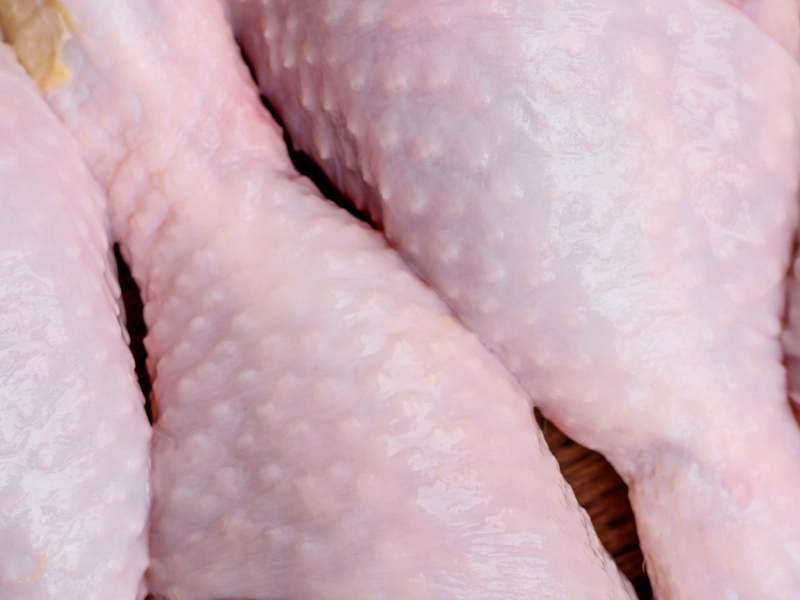
While chicken skin may be flavorful, it is important to consider what you are trading off in terms of nutrition when you choose to eat it. By opting for skinless chicken, you are not just avoiding harmful elements, but you are also making room for more nutritious components in your diet. Chicken meat itself, particularly the breast, is an excellent source of lean protein. Protein is essential for building and repairing tissues, making enzymes and hormones, and supporting a healthy immune system. When you eat chicken with the skin on, you are consuming more fat and calories, which may lead you to eat less of the protein-rich meat to stay within your calorie goals. This means you could be missing out on the high-quality protein that chicken provides.
Moreover, skinless chicken is a good source of niacin, a B vitamin that is crucial for converting food into energy and maintaining healthy skin, nerves, and digestive system. It also contains vitamin B6, which is important for brain development and function, and helps the body make the hormones serotonin and norepinephrine, which affect mood. By filling up on the fatty skin, you might be consuming less of these beneficial nutrients. Chicken meat is also a good source of selenium, a mineral that acts as an antioxidant in the body, helping to prevent cell damage and supporting thyroid function. The skin, however, does not provide significant amounts of these nutrients, essentially diluting the nutritional value of your meal.
Additionally, choosing skinless chicken allows you to better control the types of fats in your diet. While chicken skin is high in saturated fats, you can pair skinless chicken with sources of healthy fats like avocado, nuts, or olive oil. These fats are rich in omega-3 fatty acids and monounsaturated fats, which have been linked to various health benefits, including improved heart health and reduced inflammation.
In summary, the decision to consume chicken skin can lead to significant nutritional trade-offs. By prioritizing skinless chicken, individuals can enhance their diets with lean protein and essential nutrients while minimizing unhealthy fats and calories. This simple dietary change can make a substantial difference in overall health and well-being, allowing for a more balanced and nutritious approach to chicken consumption.