Advertisement
# 9. The Role of Chicken Skin in Weight Management and Obesity

Advertisement
The consumption of chicken skin plays a significant role in weight management and can contribute to obesity when consumed regularly. This is primarily due to its high calorie and fat content. A single ounce of chicken skin contains approximately 100 calories, most of which come from fat. When you consider that many people consume far more than an ounce of skin in a single serving, it is easy to see how these calories can quickly add up. In the context of weight management, these extra calories can make a substantial difference. For individuals trying to maintain or lose weight, the additional calories from chicken skin can offset their efforts, making it more challenging to achieve their health goals.
The high fat content in chicken skin is particularly concerning for those who are mindful of their caloric intake. As saturated fats are denser in calories than proteins or carbohydrates, even small portions can contribute significantly to daily caloric consumption. This can lead to a situation where individuals unknowingly exceed their caloric needs, which is a primary factor in weight gain. Furthermore, the consumption of high-calorie foods like chicken skin can also trigger cravings for more unhealthy foods, leading to a cycle of overeating that is difficult to break.
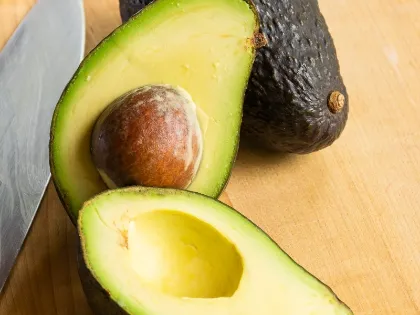
Additionally, the relationship between dietary fats and satiety must be considered. While fats can contribute to feelings of fullness, the type of fat matters significantly. Saturated fats, like those found in chicken skin, may not provide the same level of satiety as healthier fats, such as those found in avocados or nuts. As a result, individuals may find themselves feeling hungry sooner after consuming chicken skin, prompting them to eat more overall. This can create a paradox where the consumption of seemingly satisfying foods leads to increased hunger and, ultimately, weight gain.
Moreover, the impact of chicken skin on weight management is not limited to its calorie content alone. Regular consumption of high-fat foods can also influence metabolic health. Diets high in saturated fats have been associated with insulin resistance, a condition where the body's cells become less responsive to insulin, leading to higher blood sugar levels. This can increase the risk of developing type 2 diabetes, which is closely linked to obesity. Therefore, the implications of eating chicken skin extend beyond immediate weight gain; they can also affect long-term metabolic health.